

New Delhi: What began as a protest against alleged paper leaks and irregularities in competitive examinations turned into one of the country's most talked-about student movements. Over 37 days, students and supporters gathered at Jantar Mantar demanding stricter action against paper leak networks, greater accountability in the examination system, and wider education reforms.
As the protest grew, it drew support from people across the country, including social activist Sonam Wangchuk, who joined the agitation and observed a hunger strike. The issue remained at the centre of public discussion, with many students expressing concerns about the credibility of competitive examinations.

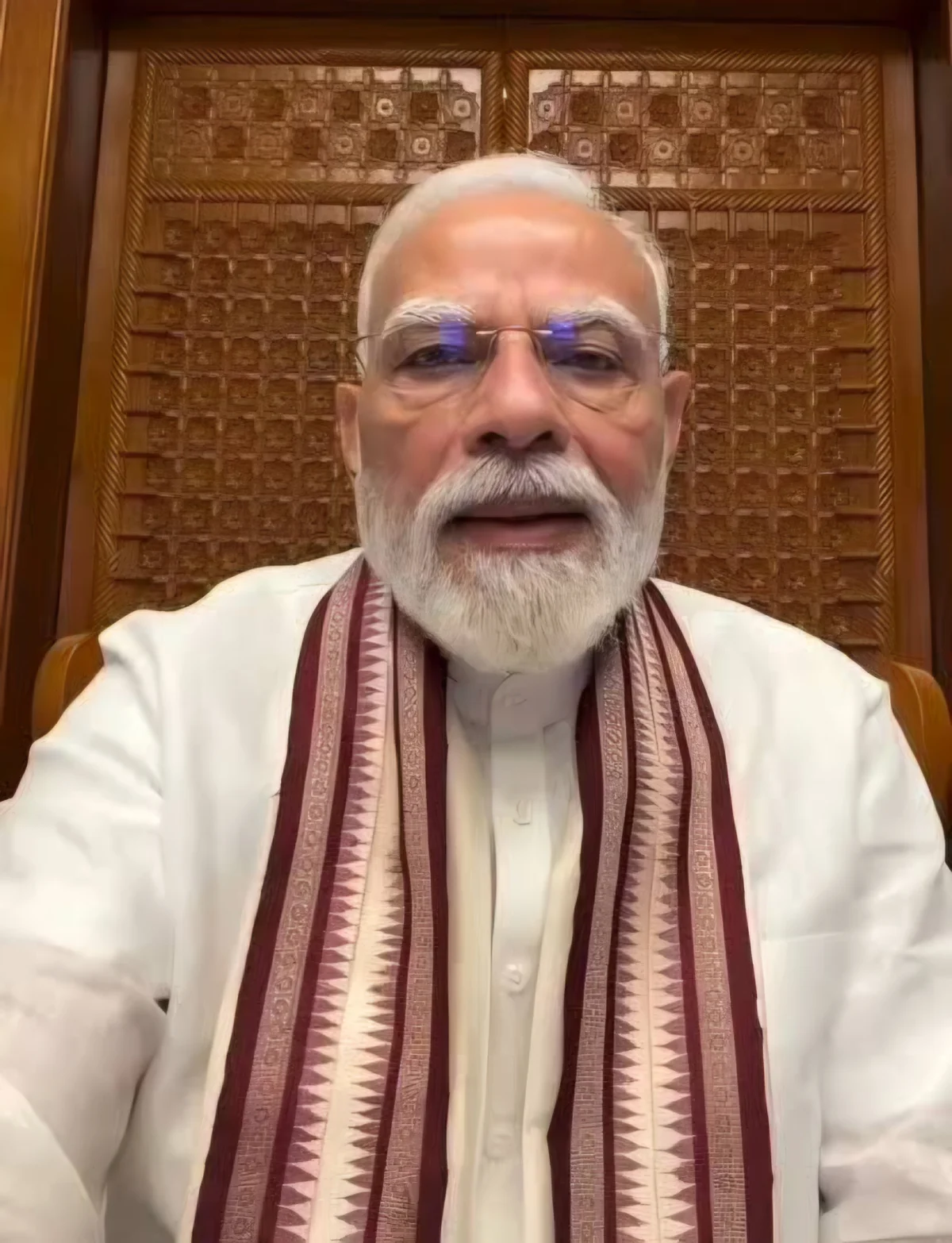
In a significant development, Prime Minister Narendra Modi released a rare direct video message addressing students and parents. He assured that the government would strengthen measures against paper leaks through tougher legal provisions, faster investigations, and stricter punishment for those found guilty.
Following multiple rounds of talks between government representatives and protest leaders, the Centre announced several assurances, including continued dialogue on education reforms and action on key demands raised during the protest. After these developments, the 37-day sit-in at Jantar Mantar was peacefully called off.
The protest highlighted how examination integrity has become a major national concern. While the demonstration has ended, the focus now shifts from the streets to implementation, as students across the country watch closely to see how the government's commitments translate into action.
Comments (0)